Pages

Showing posts with label Grizzly Tales. Show all posts

Friday, 3 July 2026

Stories Of Rotten Rascals: A Grizzly Review


Stories of Rotten Rascals: Contains 30 classic tales (Bumper Short Story Collections Book 23)Stories of Rotten Rascals: Contains 30 classic tales by Enid Blyton
My rating: 1 of 5 stars

Did not like it.
Too difficult to read in my opinion anyway.
Plus, it is a charming old fashioned rip off of the Grizzly Tales books.
Rather prefer reading Grizzly Tales than this.

View all my reviews

Saturday, 23 May 2026

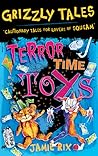
Terror Time Toys: A Review


Grizzly Tales: Terror-Time Toys: Cautionary Tales for Lovers of Squeam!Grizzly Tales: Terror-Time Toys: Cautionary Tales for Lovers of Squeam! by Jamie Rix
My rating: 5 of 5 stars

Terror Time Toys is more than just a horror anthology for kids. It's a sinisterly clever series of fables about greed, gluttony, domestic abuse and tech addiction that would get kids to change their ways...or else! The bits shoved in by the narrator (Uncle Grizzly) are annoying though, but a good read.

View all my reviews

Tuesday, 24 March 2026

A Grizzly Look At Domestic Cruelty

The latest story I got up to in Grizzly Tales: Toy Time Terrors is The Bugaboo Bear, a sort of like crossover between Stephen King and Toy Story about what happens when you abuse your toys instead of take care of them or take them everywhere with you. In other words, it's a story about the horrors of child psychopaths and domestic abuse and torture, portrayed through its main character, Emily Stiff.

Emily starts the story off as your regular average little girl stereotype, skipping and jumping and dancing and baking sweet treats like chocolate cakes and cupcakes. At first, we are lead to believe the bear she loves, Cutie, is her best friend forever, and they share in everything together...but no, this isn't a sort of 'kid and his bear' story, and soon the domestic abuse theme weeps into its innocent narrative. From there, things get worse and worse.

Emily plays 'games' with her so called best friend, torturing him in a variety of harsh ways by throwing him out the window, sinking him in the bath and locking him in the fridge as if it were a meat freezer in a butcher's shop about to become a jail cell. When she finally has had enough of the bear, she cuts him open and takes his stuffing and his voice box out.

This displays the warning that somewhere in the world, a disgruntled, emotionally neglected child is becoming a psychopath, and is planning revenge on all those who left him out of their games at school or in the playground, or the family who just keeps being lazy and eating pizza and watching TV rather than inviting him to watch his favourite film.

The point is: Cutie IS the abused boy, while Emily is the cruel, heartless mother. Much like the main character's abusive mother who starves her baby to death in Goodnight Mr Tom, only he gets revenge on her for what he did to his baby sister - and the Bugaboo Bear's siblings are his stuffed animal brethren, who also want to kill Emily for what she did to her.

So, Cutie fills Emily with sawdust and sells him to a charity shop, where the little girl who buys him indulges in the same cycle as Emily did with Cutie, who throws open the cupboard door and frees all his family from their terrifying fate.

The story is a visual representation of cruelty and domestic abuse that wasn't just present in Toy Story, but also Stephen King's story Misery too, as depicted by the aggressive fan towards her idol.

If you feel the same way as Cutie did when Emily tortured him and want to find out more about what you both have been through, visit Childline to find out more:

Monday, 23 March 2026

Better Luck Next Time, Gil!: The Butcher Boy On Greed & Jealousy

The first story in Grizzly Tales: Toy Time Tinkers is absolutely chilling. Just enough to make your spine freeze into ice, because it's the gruesome fable of a boy who wants every single thing in the world that all of his friends at school had, but then an evil son of a butcher comes along to teach him a lesson. And what's that lesson you ask? Well, P.D. Grizzly didn't tell you anyway. I can. Listen carefully:

The Butcher Boy actually delivers a warning message of greed and jealousy, plus a wise message on spending money wisely. If you've read the book Money Ninja before, you have heard absolutely nothing. Gilbert is jealous because everyone else at school has, unsurprisingly, enough pocket money to buy some very expensive toys, which he tries to compete against by buying his own.

Now, before Gill actually met Chuck and his creepy, blood-soaked family in the animated version, throughout the episode there is a repetitive image of a butcher carving some meat violently with a bloodied cleaver. This is a cleverly vile representation of the 'Three Strikes & You're Out' warning, as every time this image is shown, the Knucklebones fiercely and secretly give Gilbert a few strikes before he is given his punishment, something that would leave him meeting his fate at the hands of Chuck and his sinister, meat-cutting family.

In my opinion, I think what Gilbert should've done to avoid this horrid punishment is keep a collection of notebooks which are wish lists on what he wants to get someday, and spend his money wisely on little things instead of big things, such as: a bar of chocolate, or a small toy, or a magazine or comic, which is what all kids his age buy with pocket money.

And that's what everyone desired to do after reading this cold, blood-stained tale. What about you?

To learn more about how to make a Wish List page in your bullet journal, or a wish list journal in fact, visit:

Sunday, 22 March 2026

I Hate Her Majesty's Moley!

You know what? I'm absolutely not bothered about reviewing Her Majesty's Moley. Not only is its depiction of cruelty to animals brutal and shocking, but it also depicts Mattie, the main character, as annoying and spoilt, wanting everything her own way, including her beloved 'Moley' back.

So, to free you from this horridly unsettling story, I suggest on behalf of Buckingham Palace that you listen to this song instead.

Friday, 20 March 2026

Wednesday, 18 March 2026

Growing Up Starts NOW?!

From what I observed watching three of my favourite classic shows, I found something all of the characters in these presentations are diagnosed with that makes them independent, yet they still act like toddlers. It's called 'Parentification', or if you may, 'Adultification'.

The following three examples will show you signs of these disorders in its main characters. Give us the countdown maestro!

1.Maisy. Ah ah ah, I don't mean Maisy as in the current Sky Kids series, I meant the original 1999 classic animated by King Rollo Films, yer dafty! In this series, adultification is portrayed rather positively, as the main character, a small white mouse preschooler named Maisy, is only 4, but she and all her friends, who are kids, can do everything independently. They can cook, clean and do the housework, and yet they are independent enough to go out on their own and interact with wild animals, let alone pilot vehicles they're too young to pilot yet. The narrator, Neil Morrisey, doesn't seem to mind, and encourages Maisy and her friends through every job they take up and every vehicle they pilot. He is an encouraging parent who encourages his 'children' - Maisy, Charley, Tallulah, Eddie and Cyril - to follow their dreams since adultification has tightened its grip on them.

2.Boohbah. The goofy, rainbow-coloured, gumdrop-shaped dance performer/fitness instructor group suffer from three things. Not just adultification, which makes them encouraging instructors which allow toddlers (and sometimes, parents) to join in with their dance moves and their exercise of the day, but catatonics, which means they can't blink their eyes and can only move their eye pupils around, and deaf-mute, meaning they along with the Story People can't speak, and can only need a gentle, guiding narrator and a young child's offscreen, haunting, ethereal cries of "BOOHBAH!" to help them understand what they're helping the viewers go through.

Again, these three disorders are portrayed rather positively, as these five young rascals and their arrested development-diagnosed grown up human friends show us the meaning of exercise, inclusion and solving problems in a safe, colourful and caring environment without (ahem, I'm even talking to you, BlameItOnJorge) making both kids and their parents nervous.

3.Grizzly Tales. I'm talking about one of the episodes in particular, The Child Snatcher. Unlike the last two entries, which portray adultification and other disorders quite positively, this episode of this creepy animation series shows us the negatively dangerous side.

It tells the shocking, heart-pounding story of Amos, who wants his daughter Albert to become a genius, so he takes away all her needs like her games and toys and picture books and makes it into a classroom, where every day brings a new STOP sign to her traumatic life.

With each day Amos teaches her, she is visited by The Childhood Snatcher, the titular hooded entity who, as he takes each of little Albert's hairs night by night, she grows up throughout a whole week, learning loads, getting a grip on ingenuity and eventually becoming Prime Minister, distressing her mother yet pleasing her sick, twisted science teacher father.

When the final night comes, the titular villain visits Albert one last time. Before he plucks the final hair out of her bald head, he takes off his hood to reveal his old, wrinkled face, and when Albert's parents run to see what's wrong, guess what they see?
An old lady.

Oh god. This is what makes tales like Grizzly Tales hard to identify when you are a kid, but easy to identify when you're an adult who has been through therapy, plus a tech addiction, for seven whole years! Through my therapeutic experiences and learning about various disorders and disabilities...

I learnt from these three entries that there's an odd one out among all these shows. Two are positive. But one is negative. Can you guess which?

Leave your guesses below in the comments. If you do, then you'll understand that even Boohbahs are diagnosed too.

P.S.....
BOOHBAH!!!

Monday, 16 March 2026

Jamie's School Dinners: An Insight Into Eating Disorders

If any parents were as grizzly as the main character's parents of this Grizzly Tales story, they'd probably need some therapeutic training and experimentation on their hands. But through my lens, this story, titled 'Jamie's School Dinners', is not cited as a cautionary tale for 'lovers of Squeam' as promised, but a warning about ignoring the needs and habits of a child with an eating disorder, like Jamie. This essay will give you a better understanding of the themes portrayed rather negatively in the episode.

The story starts by introducing Jamie and his habit of eating chicken nuggets every day, day in, day out, and goes on to explain that his parents gave him their brains so he can know more, thus making them careless enough to refuse to understand their son's needs and habits, and only force him to eat greasy plates of meat and lard. Even temptation to eat healthy things from the new head teacher at his school goes awry, thus showcasing his dislike for healthy, balanced food.

However, the arrival of the main villain, an evil dinner lady, makes Jamie's experience with everyone around him neglecting his eating disorder worse, as she keeps force feeding him, leading to endless teasing and days and days of ignorance and refusal. As the days fly by, Jamie's experience with being force fed gets worse and worse, from getting morbidly obese to developing worse acne on his face.

All these side effects of Jamie's mistreatment represent those a child with an eating disorder thinks he or she loves not giving them the healthy, balanced diet they wanted, and only giving them big portions instead of one little portion a day. If you give a child big platefuls of meat, or one of the same food, they might think it's a healthy, balanced diet, and might demand more. The theme of greed is present in every Grizzly Tales story, so this one takes its main character's bad eating habits - or, disorder as we call it these days - waaaaaaaaaaaay too far.

This is documented near the story's shocking climax, where the wicked villain plants a time bomb in Tom's abdomen and lures him back to her rustic kitchen lair, where she uses him as an ingredient for her cooking show which a family of trolls from hell watch fiercely.

The shocking twist might thrill and gross out kids watching, but can also warn parents about what might happen if they ignore the needs, habits and preferences of their eating disorder-diagnosed kids, and encourages them in a sinister manner to balance their one favourite food with food they've never tried before, such as rice, bananas, beans, veggies, fruits and other healthy food, which is what's needed to build a healthy, growing body.

It also encourages them in a startling, sloppy manner to give their kids 5 minutes of exercise a day, not a lot, because it may hurt their bodies. Too much exercise for unfit people can tear their muscles and cause endless, daily stitches which may need bucketloads of Voltarol.

Good job, Honeycomb Animation. Maybe if you sold Grizzly Tales to the USA, you'd use this episode to teach about America's confrontation with their parents' worries about their kids' obsession with pigging out on junk food while watching Spongebob all day.

Teen Titans Go airing all the time on Cartoon Network is getting a bit boring, right, Honeycomb?